
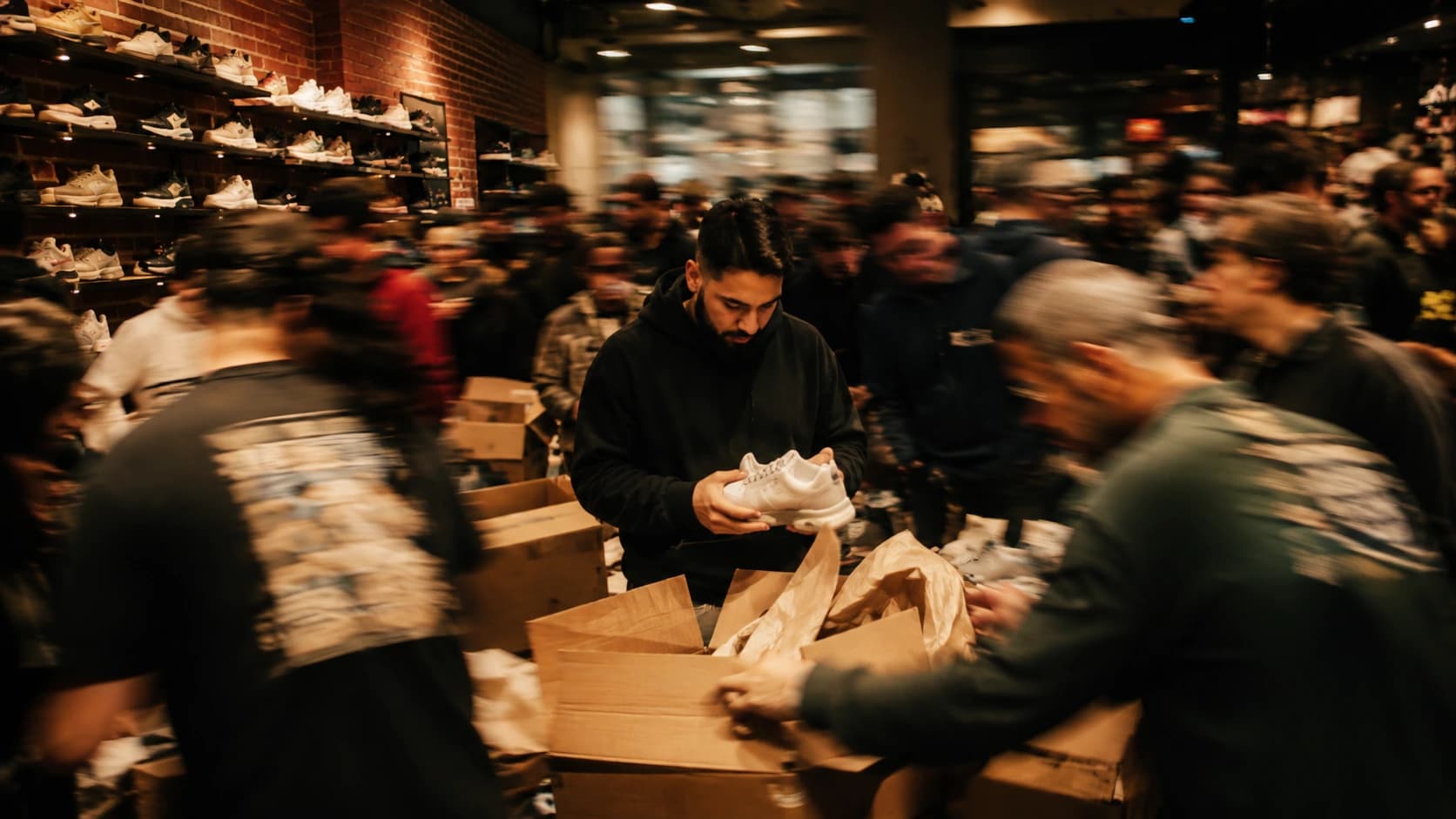
Convert an out-of-stock moment using the whole inventory network.
The retailer exposed real-time inventory, customer context, delivery options, and returns to the associate and digital channel.
At a glance · illustrative scenario
- Example price
- $132.41 order value
- Billing unit
- Customer order
- Scope
- 1 item · 1 delivery
Illustrative order report informed by public case-study patterns. Figures demonstrate the workflow; they are not Darwin customer results.
Darwin operating guide · Seller view
An omnichannel promise is one record connecting product identity, stock, payment, fulfillment, and returns.
The seller publishes accurate catalog and inventory, reserves the item, confirms payment and address, dispatches it, proves delivery, and keeps exceptions open.
- Resolve identity across channels before quoting availability or price.
- Reserve available-to-promise stock before confirming delivery.
- Treat delivery, payout, return, refund, and credit as separate states.

The merchant keeps catalog, inventory, order, shipment, and exception records aligned.

The buyer verifies product truth, price, availability, delivery terms, and return conditions.
Confirm available-to-promise stock, allocate the exact variant, and fulfill the order from the location that can meet the delivery date.
Find the required item in another store’s inventory and buy it for home delivery when the local location is out of stock.
- 01Inputs
Exact variant + stock
- 02Work
Allocate + ship
- 03Handoff
Delivery + receipt
- Offer
- Confirm available-to-promise stock, allocate the exact variant, and fulfill the order from the location that can meet the delivery date.
- Identity
- SKU, size, color, canonical listing
- Promise
- Timestamped stock + source location
- Checkout
- Item, shipping, tax, payment state
- Fulfillment
- Reservation, dispatch, delivery evidence
- Aftercare
- Payout, return, refund, credit states
- Timeline
- Same-day allocation and Thursday delivery.
- Acceptance
- Correct item delivered by the promise date with tracking and return eligibility.
Protect margin after fulfillment and fees.
The $132.41 collected includes tax and shipping; it is not product margin. Reconcile payment, fulfillment cost, refunds, and tax liability separately.
The example checkout is $119.00 merchandise + $5.00 shipping + $8.41 illustrative tax = $132.41. Show the complete total before payment.
Retail sale with standard return window and saved-address authorization.
- Example price
- $132.41 order value
- Billing unit
- Customer order
- Scope
- 1 item · 1 delivery
Get the correct item on time.
Preserve the sale when the local location cannot fulfill it
Correct item delivered by the promise date with tracking and return eligibility.
Catalog availability can lag stock. Confirm allocation before promising delivery and keep substitutions subject to buyer approval.
- Primary goal
- Get the correct item on time
- Delivery
- Delivery + receipt
- Scope
- 1 item · 1 delivery
Connect inventory, payment, and fulfillment records.
Connect SKU, variant, allocation, payment, tracking, delivery timestamp, and any return under one order ID.
Add-to-cart, conversion, fulfillment time, return rate, and repeat purchase
Catalog availability can lag stock. Confirm allocation before promising delivery and keep substitutions subject to buyer approval.
- Evidence
- Delivery + receipt
- Scope
- 1 item · 1 delivery
- Record
- Version, date, and owner
Settle the sale and keep returns traceable.
Complete delivery, reconcile the order, and keep any return or refund open until processed.
One converted sale without a local stock position
Correct item delivered by the promise date with tracking and return eligibility.
Catalog availability can lag stock. Confirm allocation before promising delivery and keep substitutions subject to buyer approval.
- Seller outcome
- One converted sale without a local stock position
- Acceptance
- Correct item delivered by the promise date with tracking and return eligibility.
- Evidence record
- Add-to-cart, conversion, fulfillment time, return rate, and repeat purchase
- Timeline
- Same-day allocation and Thursday delivery.
- Commercial close
- $132.41 order value